
WORK / CULTURE
Why does work still look like this?
The world around work has changed dramatically. The basic structure of work has been remarkably good at staying the same.
OCTOBER 2026 · 6 MIN READ
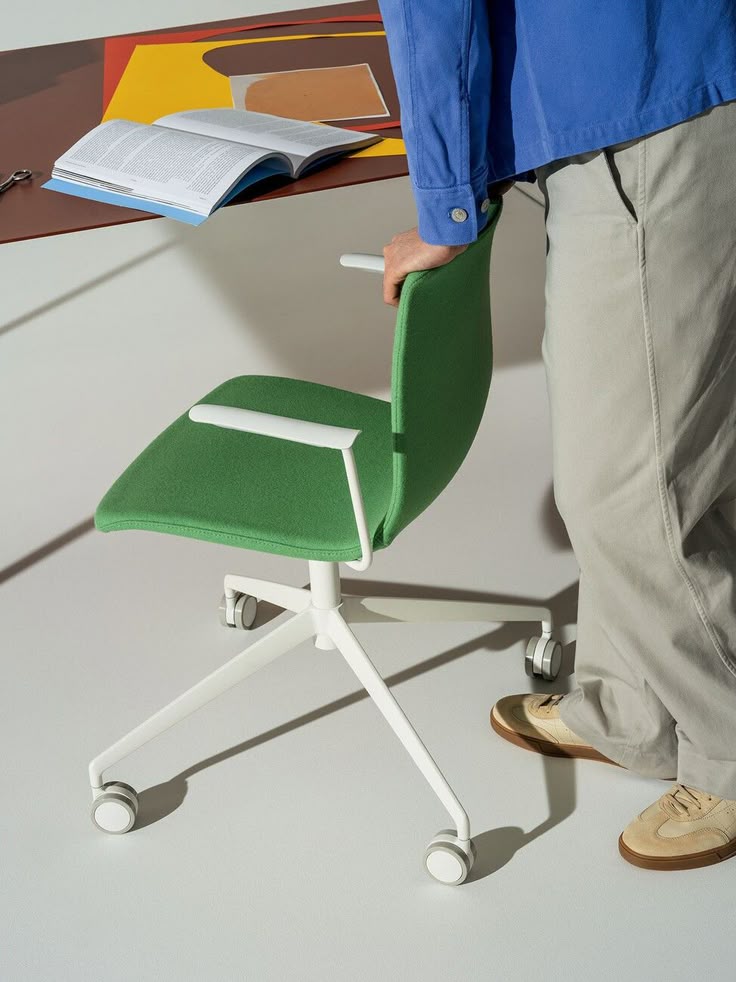
Picture an office worker from 1975 walking into a contemporary workplace. The screens would surprise them. So would the coffee, the open floor, the absence of ashtrays. But give them a few minutes and they would recognise almost everything that matters. People arrive in the morning. They leave in the evening. They work five days and rest two. They sit in meetings that start on the hour. Someone above them decides what they do next.
In fifty years we have rebuilt how information moves, how money moves, how people find each other and fall in love. The shape of the working week has barely moved at all.
This is not necessarily a scandal. Some things last because they work. But it is worth asking which of our conventions survived because they were good, and which survived because nobody had a reason to look at them.
A schedule built for machines
The eight-hour day was a hard-won victory. Labour movements fought for it in factories where the alternative was ten, twelve or fourteen hours beside a loom. It made sense for that context. Machines ran on shifts. Output was proportional to hours on the floor. If the line stopped, production stopped.
Office work borrowed the frame without borrowing the logic. A clerk in 1920 did not operate a machine that needed tending at fixed intervals, but the building opened and closed like a factory anyway. The rhythm stuck. It became the rhythm of the whole economy, then of school calendars, then of traffic, then of family life.
A century later, many of us do work that has almost nothing in common with the factory floor. Writing, analysis, design, negotiation, care, research. Work that depends on attention, judgement and energy, none of which arrive on schedule or last for eight uninterrupted hours.
We kept the timetable of the factory long after most of us stopped working in one.
Being seen as a measure of working
Physical presence was once a reasonable proxy for productivity. If you could see someone at the bench, you could see the work happening. The proxy made less sense in the office, where a person at a desk might be thinking, or might be staring at the wall. Still, it was the easiest thing to observe, so it became the thing that was observed.
Much of what we call workplace culture grew around that habit. Arriving early signals commitment. Leaving late signals ambition. A full calendar signals importance. None of these says much about the quality of what gets done, but all of them are visible, and visibility is comforting to organisations that struggle to measure anything else.
Remote work exposed the proxy rather than replacing it. When managers could no longer see people, many reached for software that would. Activity trackers, status lights, response-time expectations. The tools were new. The assumption underneath them was very old.
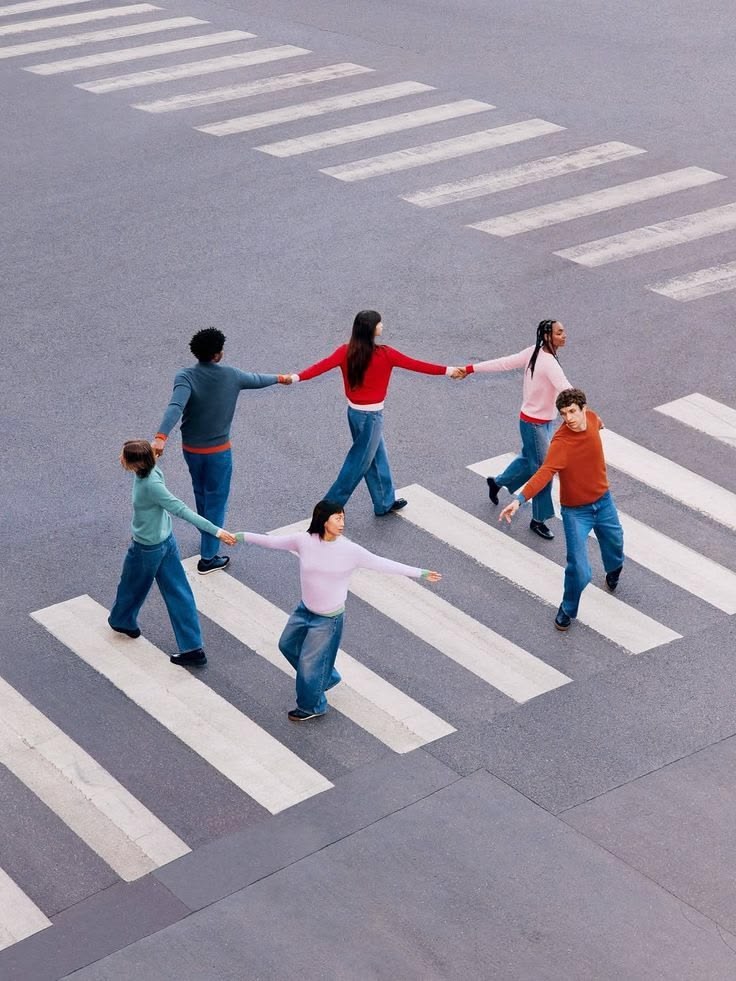
Faster tools, same shape
Every wave of workplace technology arrived with a promise of liberation. The typewriter, the photocopier, email, the smartphone, the video call. Each one made a task quicker. Very few changed the structure that surrounded the task.
Email did not shorten the week. It extended it into the evening. The smartphone did not give people more time to think. It made them reachable while waiting for the bus. Video calls did not reduce meetings. They made it possible to hold one with anyone, anywhere, at almost no cost, so we held more.
Technology tends to optimise whatever system it is placed into. If the system assumes that more hours and more availability equal more value, then faster tools will produce more hours and more availability. Progress at the level of the task does not automatically become progress at the level of the life.
Normal is a powerful designer
Ask why a team meets every Monday at nine and the answer is often a shrug. It has always been that way. Ask why a role requires someone in the building four days a week and the answer may involve culture, collaboration or fairness, rarely evidence. Conventions harden into common sense, and common sense is hard to argue with because it does not present itself as an argument.
None of this means structure is the problem. People need rhythm. Teams need shared time. Organisations need some way to coordinate dozens or thousands of people toward something. A workplace with no conventions would not be freer. It would be exhausting.
The question is whether the structure fits the work. A hospital, a newsroom, a studio and a software team do very different things, yet they often inherit the same calendar, the same hierarchy and the same idea of what a good day looks like. Fit is rarely examined. It is assumed.
Every convention we work inside was once a decision someone made, for reasons that made sense at the time.
That is the useful part. If the eight-hour day, the weekly meeting, the open-plan office and the annual review were all chosen, they can be chosen again, by different people, for different reasons, with what we now know about attention, energy and the kinds of work we actually do.
Work is designed, whether or not anyone remembers designing it. Once you notice that, the familiar starts to look less like nature and more like a draft.